
December 16, 2025
How Often to Test Run Your Emergency Generator
When was the last time you tested your emergency generator? This maintenance task ensures your backup power system works during the next outage. Whether you own a standby unit or a portable model, regular checks will keep you from scrambling when the lights go out.
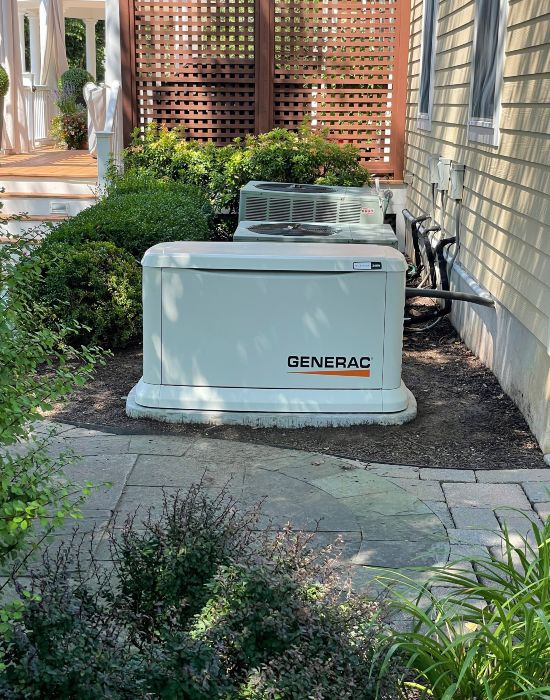
Recommended Generator Testing Schedule
A little workout every now and then helps your generator reveal early signs of trouble and prevents internal parts from seizing up. Wondering how often to test your emergency generator? Follow these tips:
- Test your generator every three to four months. Let it run for 10 to 20 minutes so the engine reaches full temperature and the battery charges properly.
- Switch to monthly testing during extreme weather or long off-seasons.
- Enable automatic self-tests if your generator supports them. If not, manual starts are the way to go.
The Importance of Oil Checks and Load Testing
No emergency generator maintenance schedule is complete without checking the oil. Low or degraded oil can cause internal wear and overheating, especially during prolonged outages that demand extended use. Look at both the level and condition of the oil during each test run. If it appears dark and sludgy or smells burned, it’s time for an oil change.
Load testing should also be part of your routine, especially if the generator doesn’t power your home often. Running an emergency generator under a simulated load forces it to perform the way it would during an actual outage. This exposes weak components and prevents carbon buildup that often happens during light or idle operation.
Maintenance Tips During Extended Use
Generators that stay on for multiple hours—or even days—require extra attention. Follow these steps during long runtimes:
- Change the oil and filters daily if the unit is running nonstop.
- Remove any blockages from the air intake and exhaust vents.
- Monitor the fuel supply to avoid sudden shutdowns.
- Listen for odd noises or vibrations, which can mean parts are under stress.
- Schedule a post-event inspection to check belts, hoses, and caps for heat and vibration damage.
Safe Shutdown Procedures
Shutting off a generator isn’t as simple as flipping a switch. Here’s how to avoid damage or dangerous situations:
- Disconnect or power down any heavy loads first to prevent sudden electrical surges.
- Allow the unit to cool down.
- Refer to your user manual for tips to power down your specific model. Some units need more time to perform a full shutdown than others.
- Contact a service professional for more guidance.
Signs of Wear or Malfunction
Here are warning signs you shouldn’t ignore when following your generator testing schedule:
- Refusal to start or stay running
- Odd smells or strange noises
- Excessive smoke or vibration
- Oil, fuel, or coolant leaks
- Warning lights or error codes
- Rusty parts, frayed wires, or other visible damage
Keep Your Home Powered
Seidel Electric Inc. has over 80 years of experience serving the Tri-State Area. As a certified Generac PowerPRO Dealer, we specialize in standby systems capable of powering your entire home during an outage. Our licensed electricians provide free in-home consultations, and our service team is known for offering exceptional customer support. Schedule your next generator test or inspection today.