
August 7, 2026
Top 10 Common Generac Generator Issues & How to Fix Them
A standby generator can sit beside your home for months without giving you much reason to think about it. So when it skips a scheduled test or displays a warning, the message it’s sending is hard to miss. You know the unit is trying to tell you something, even if the cause isn’t immediately clear.
If you’re having an issue with your Generac generator, troubleshooting the symptom can help you narrow down what needs attention. Some problems leave clues you can safely check from the outside. Others tell you it’s time to leave the repair to a trained technician. Knowing that difference is going to help you resolve the issue without having to guess or take a chance with the system your household relies on.
Here are ten generator issues you may run into and how you can fix them.
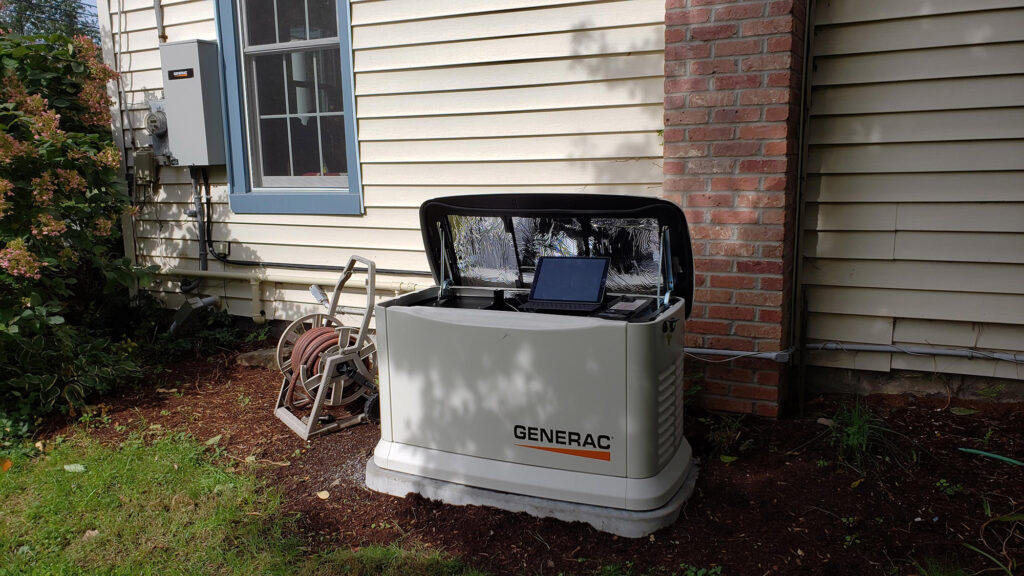
The Importance of Preventative Maintenance
Many common generator problems develop between the outages that put your system to work. A weakening battery, restricted airflow, or developing leak may not affect your household today, but it can interfere with the generator when utility power eventually fails.
Preventative maintenance gives a technician the opportunity to inspect the system under controlled conditions. They can check fluid levels, filters, electrical connections, and overall operational performance before the generator is suddenly expected to carry your home’s electrical load for hours at a time.
Issue #1 – Generator Won’t Start
If your generator just won’t start, first check the control panel. Confirm that the system is set to AUTO mode and record any warning or error code it displays. The unit may have been left in OFF mode after service, or an active alarm may be preventing it from running.
Pay attention to what happens when the generator tries to start. An engine that won’t turn over suggests a different problem than one that cranks but never begins running. If that’s the case, your technician can narrow it down to the battery, fuel supply, ignition system, or another component.
Issue #2: Dead Battery
A failing battery may leave your generator unable to turn its engine over. You may hear a clicking sound, notice slow cranking, or get no response at all when the unit attempts to start.
Look for visible corrosion around the battery terminals, but don’t assume cleaning the terminals will solve the entire problem. A battery that won’t hold a charge may need replacement, and a charging-system fault can leave a new battery in the same condition. Having the battery professionally tested will tell you whether the battery itself has failed or another component isn’t keeping it charged.
Issue #3: Low Oil Pressure Alarms
A low oil pressure alarm can shut the generator down to protect its engine from serious damage. Once the unit is off and has cooled, you can check the oil level according to the instructions for your specific model.
A low reading may indicate that the generator needs the correct oil, but there may also be a leak or another underlying problem. If the level appears normal, the oil looks contaminated, or the warning returns, don’t continue resetting the alarm. The oil-pressure sensor, pump, or engine may need professional inspection.
Issue #4: Dirty Air Filter
Your generator’s engine needs a consistent supply of clean air to burn fuel properly. A filter covered in dirt and debris can restrict that airflow, leading to rough operation, reduced performance, or difficulty starting.
Check the filter according to your owner’s manual and follow the replacement schedule for your specific generator. If a clean filter doesn’t correct the way the engine runs, another airflow or fuel-related issue may be responsible. Replacing parts at random can hide the symptom without identifying its actual cause.
Issue #5: Fuel Supply Problems
A generator can’t run without a clean and uninterrupted fuel supply. For a propane-powered system, check the tank level before assuming the generator itself has failed. If your home uses natural gas, an interruption that’s affecting other gas appliances may point to the utility supply rather than the unit.
Leave fuel-line adjustments and internal fuel-system repairs to a qualified professional. If you smell gas or suspect a leak, move away from the area and follow the appropriate emergency guidance before arranging generator service.
Issue #6: Failed Transfer Switch
The automatic transfer switch moves your home from utility power to generator power during an outage. If the generator starts but your home isn’t getting electricity, the engine may be working while the transfer between power sources isn’t.
You can note whether the generator is running and whether any accessible breaker has tripped. Just don’t open the transfer switch or electrical panel to investigate further. The equipment contains dangerous electrical connections, and a licensed technician needs to determine whether the problem involves the switch, wiring, breaker, or another part of the power-delivery system.
Issue #7: Overheating Generator
A generator needs open space around its enclosure to release heat and draw in air. Leaves, snow, plant growth, or other debris around the exterior vents can interfere with that airflow. After the generator shuts down and it’s safe to approach, clear anything blocking the area around the unit.
Keep the generator off if it shuts down again, smells unusually hot, or continues reporting a temperature-related fault. If it’s a fan problem, internal restriction, or mechanical issue, simply letting it cool down won’t solve the underlying problem.
Issue #8: Sensor or Error Code Faults
An error code gives you a useful piece of information, but what it means will depend on the generator model. Record the full code before attempting to clear it, then consult your owner’s manual or your generator’s Mobile Link history for model-specific guidance.
A faulty sensor can report inaccurate information, but the same warning may also mean there’s a real condition elsewhere in the system. If the code returns after the recommended check, don’t repeatedly reset it. Give the code and the circumstances surrounding it to your Generac service provider.
Issue #9: Unusual Noise or Vibration
You’re familiar with the normal sound of your generator’s scheduled test run. But a new rattle, metallic knock, sputter, or stronger vibration is going to deserve your attention because it may indicate some loose hardware, uneven combustion, worn mounts, or trouble inside the engine.
Turn the unit off if the sound suggests that parts are striking one another or the generator’s moving abnormally. Continuing to run it can turn an identifiable repair into more extensive damage. A technician can inspect the unit without asking you to remove its protective panels or reach near moving components.
Issue #10: Generator Runs but Produces No Power
A running engine doesn’t always mean electricity is reaching your home. Check whether the generator’s accessible breaker has tripped, and consider whether the system was carrying an unusually heavy electrical load when power stopped.
If the breaker trips again after the load has been reduced, leave it off. When it trips repeatedly, there may be an overload, a damaged connection, a transfer-switch fault, or another electrical problem. A technician will need to test the system to find where power delivery has been interrupted.
Preventive Maintenance & Generator Repair Tips
A few consistent habits can help you stay familiar with your generator and give your technician better information when something changes. Here’s what you can do:
- Watch Scheduled Test Runs – Be aware of whether the generator starts on schedule, runs normally, and returns to standby mode without displaying a warning.
- Keep the Enclosure Clear – Remove leaves, snow, weeds, and other debris that could restrict airflow around the generator’s exterior vents.
- Review Status Notifications – Check your Mobile Link alerts and record any error code before clearing or resetting the generator’s control panel.
- Follow the Maintenance Schedule – Arrange professional service according to your generator model, operating hours, and the manufacturer’s maintenance requirements.
- Report Changes Early – Tell your service provider about any new sounds, odors, leaks, or starting behavior before the same symptom becomes more severe.
When to Call a Professional
There are a few instances that merit calling in the pros for a proper diagnosis.
If the same warning returns or your generator shuts down again after a basic check, the underlying problem is unfortunately still there. Continuing to reset the system won’t repair what’s causing the problem and may leave you with less information about what originally went wrong.
This is the point where a trained Generac technician needs to take over. Leave fuel, electrical, and internal engine repairs to someone with the equipment and experience to test the system safely. They can identify the failure, complete the necessary repair, and confirm that your generator is ready to return to service.
Keep Your Generac Ready With Seidel Electric
Your generator doesn’t need to fail completely before it deserves professional attention. A missed test, recurring warning, or unfamiliar sound may give you enough notice to address the problem before the next outage places your household’s backup power in its hands.
Here at Seidel Electric, we install, maintain, and repair Generac standby generators throughout Blairstown, NJ, and the surrounding tri-state area. As a Certified Select Generac PowerPRO Premier Dealer, we know exactly how these systems operate and what their warnings are trying to tell you.
If your Generac generator isn’t operating the way it should, get in touch with us today to schedule your service. We’ll identify what’s behind the symptom and help restore your home’s backup power.