
September 21, 2026
What to Expect During a Whole-Home Generac Generator Installation in New Jersey
Learn What to Expect During a Generac Generator Installation
A whole-home generator adds reliable backup power and greater peace of mind when utility service is interrupted. The installation process includes evaluating your home’s electrical needs, selecting the right system size, preparing the site, and completing all electrical connections. For homeowners planning a Generac generator installation in Blairstown, NJ Seidel Electric delivers experienced service backed by decades of electrical expertise and a strong commitment to customer care. This blog explains the key stages of a whole-home generator project, helping you prepare for a smooth installation and dependable backup power for your home.
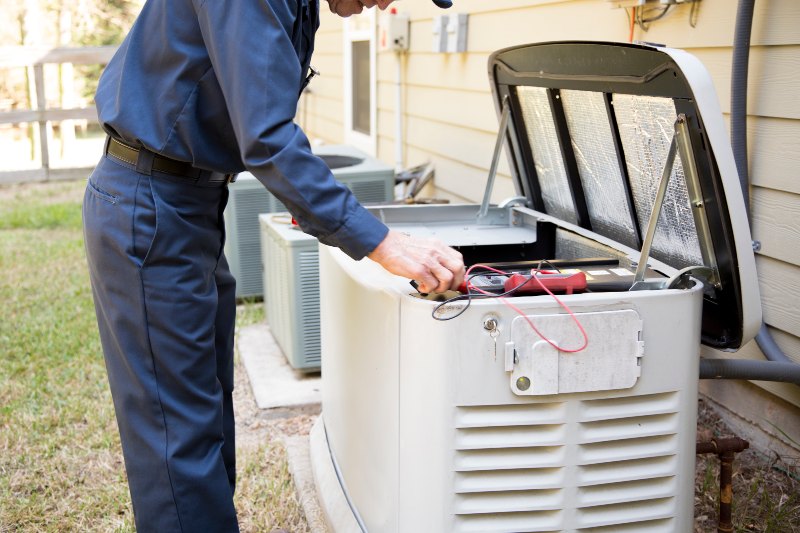
How the Installation Process Works
A professionally planned whole-home generator installation follows a series of steps that match the generator to the home’s power needs and ensure dependable operation. Each phase plays an important role, from evaluating the property to testing the system before it goes into service. Homeowners benefit from a clear process that supports proper placement, safe electrical connections, and reliable performance. Understanding what happens during installation helps set expectations and gives you confidence as your backup power system moves from planning to startup:
- Site Visit and Home Evaluation – The process starts with a visit to your property to assess electrical usage, generator placement options, and fuel availability. An electrician reviews the home’s major appliances and essential systems to determine the appropriate generator size. The team also checks local code requirements and site conditions. This information helps create a customized installation plan for your home.
- System Selection and Project Planning – After the evaluation, the generator model and transfer switch are selected based on your home’s electrical demands. The installation team discusses equipment placement and project details with you. Required permits and approvals are coordinated as part of the planning process. Clear communication helps keep the project organized from the start.
- Generator Placement and Electrical Work – Technicians prepare the installation area and position the generator according to manufacturer specifications and local regulations. Electrical connections are completed between the generator, transfer switch, and service panel. Fuel connections are also installed and verified. Every component is carefully integrated to support long-term operation.
- Startup, Testing, and Customer Guidance – Once installation is complete, the generator undergoes a full startup and testing procedure. The team verifies the automatic transfer operation and checks the overall system performance. Homeowners receive guidance on system features, maintenance needs, and routine operation. The project concludes with a ready-to-use backup power solution offering dependable service.
Everything Homeowners Should Know
Standby generators are a significant investment in your home’s comfort, safety, and convenience. Several factors influence a successful installation, including local permits, equipment placement, electrical capacity, and fuel supply considerations. Understanding these requirements before work starts can help homeowners make informed decisions and avoid delays. Working with a trusted Generac dealer that NJ homeowners rely on also helps ensure the project complies with current codes, manufacturer guidelines, and best practices. The list below highlights everything homeowners should know when it comes to residential generator installation:
- Permits and Local Requirements – Most generator installations require permits and inspections to verify compliance with local building and electrical codes. Permit requirements can vary by municipality, which is why professional oversight is valuable. Proper documentation helps keep the project moving efficiently. A qualified contractor can coordinate the permitting process and schedule the required inspections.
- Generator Placement – The location of the generator contributes to safety, accessibility, and performance. Installers evaluate available space, property layout, and manufacturer clearance requirements when selecting a placement area. Easy access supports future maintenance and service needs. A well-chosen location also helps protect the equipment throughout the year.
- Electrical System Capacity – Every home has unique power demands that must be reviewed before installation begins. Electrical evaluators evaluate service panels, major appliances, and essential circuits to determine the appropriate generator size. This assessment helps ensure the system can support priority and loads during an outage. Proper electrical planning contributes to dependable operation when backup power is needed.
- Fuel Supply Considerations – Whole-home generators typically operate on natural gas or propane. Fuel availability and connection requirements are reviewed during the planning stage. The selected fuel source influences installation details and long-term operation. An adequate and reliable fuel supply helps keep the generator ready for service whenever utility power is interrupted.
- Maintenance and Ongoing Support – Routine maintenance supports efficient performance and extends the life of the generator. Homeowners should understand recommended service intervals, inspection schedules, and testing procedures. Many systems perform automatic self-checks that help monitor readiness. Professional service keeps the equipment operating at its best and prepared for future power outages.
Why Working With a Generac Pro Installation Matters
The quality of a generator installation directly impacts safety, performance, and long-term reliability. A trained professional brings the knowledge needed to properly size the system, select an appropriate installation location, and integrate the generator with your home’s electrical service. During a standby generator installation, every connection and component must meet manufacturer requirements and local codes. Generac Pro Installers receive specialized training that helps support dependable operation and efficient performance.
Be Prepared for Your Residential Generator Installation
Professionally installed standby generators provide dependable backup power and greater confidence during outages. Understanding the installation process, site requirements, and electrical considerations helps homeowners make informed decisions about their investment. For expert Generac generator installation in New Jersey, homeowners can trust Seidel Electric, which offers decades of experience, highly trained electricians, and customer-focused service. Contact us today to schedule a consultation and take the next step toward reliable whole-home backup power.