
August 14, 2026
Generator Bases: Best Practices
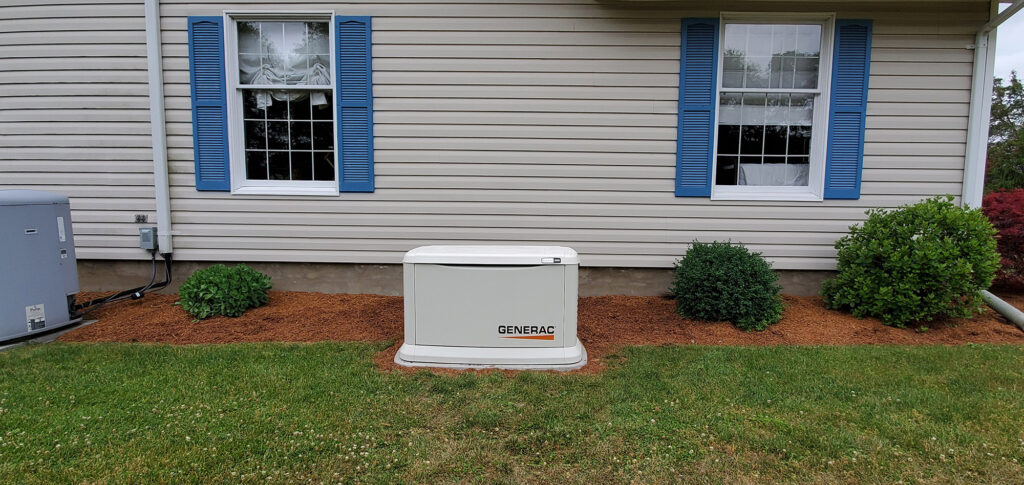
Once a standby generator is installed, most of your attention is naturally going to be on the equipment you can see. But underneath that enclosure is the base, which keeps the entire unit level and properly supported through years of regular operation and changing weather.
A well-planned generator base installation gives your standby system a suitable place where it’ll remain long after the installation crew leaves. The base needs to fit the generator, work with the surrounding property, and meet the requirements related to that specific installation. When those decisions are handled correctly from the ground up, your generator will stay securely positioned and accessible for the service it’ll need throughout its lifespan.
Why a Properly Prepared Generator Base Matters
Your generator’s base supports the weight of the unit and keeps it off the surrounding soil. Without a properly prepared surface, the ground underneath can settle, wash away, or collect water after heavy rain and melting snow. Any resulting movement can leave the generator uneven and place unnecessary strain on its connections.
The base also creates a defined area around the equipment. That separation protects the bottom of the enclosure from direct contact with damp soil, grass, and debris while giving technicians a stable surface to approach during maintenance or repairs.
Common Types of Generator Bases
Generac recognizes several mounting surfaces for air-cooled home standby generators. The appropriate option will depend on your generator model, property, and any local requirements that apply to the installation:
Compacted Stone Base
Level pea gravel or crushed stone creates a prepared surface that supports drainage and separates the generator from bare soil.
Approved Composite Pad
A manufactured pad provides a level mounting surface without requiring a poured slab. It must be approved for the generator being installed.
Concrete Base Pad
A properly sized concrete pad for generator installations creates a solid mounting surface that can accommodate anchoring when local codes require it.
Air-cooled Generac standby generators also come with an integrated composite pad. This component stays attached whether the unit sits on prepared stone, an approved pad, or a concrete base.
Generator Placement Guidelines for Site Selection
When choosing the site, keep in mind that the ground needs to drain well enough that water won’t collect around the base. The generator also needs open space for cooling airflow and enough clearance for a technician to access the controls and internal components during service.
The unit must be at a safe distance away from operable windows, doors, vents, and other openings that could allow carbon monoxide from the exhaust to enter your home. Its location also affects how the fuel line and electrical wiring will reach the generator. Planning those routes before preparing the base will help prevent longer connections, unnecessary turns, or a finished location that conflicts with installation requirements.
Proper Sizing Requirements
For applicable air-cooled Generac models, the prepared base should leave at least three inches of space on every side of the generator. It also needs to be level so the unit isn’t sitting at an angle from the day it’s installed.
Those measurements will depend on the exact model going onto the base. Different Generac series have different footprints and mounting points, and local codes may require the unit to be anchored. Your installer should confirm the generator foundation requirements before preparing the site so the finished base properly fits the generator.
Installation Best Practices
The ground underneath the base needs to be properly prepared before anything goes on top of it. If the soil is loose or uneven, it can settle over time and take the base with it. Stone needs to be compacted, while a concrete slab needs firm ground underneath to keep it from shifting or cracking.
Once the base is ready, the installer will check its size and make sure the entire surface is level. The integrated composite pad that comes with an air-cooled Generac generator stays attached, even when the unit is mounted on concrete.
If the generator needs to be anchored, your installer will use the mounting points designed for that specific model. They’ll also make sure the enclosure can open fully and leave enough room for future maintenance and repairs.
Common Installation Mistakes to Avoid
Even a base that looks level on installation day can shift if the ground underneath wasn’t properly prepared. Loose soil may settle, and poorly compacted stone can move under the generator. Water can also wash material away if the surrounding area doesn’t drain properly.
Another common mistake is preparing the base before choosing the generator. If the final model has a different footprint or mounting layout, the crew may be left trying to fit the equipment onto a base that was built for something else.
The area around the unit also needs room to remain open. Nearby plants can eventually block airflow, while a cramped location can prevent a technician from opening the enclosure or reaching the parts that need service.
The Benefits of Professional Installation
As a Certified Select Generac PowerPRO Premier Dealer, we know how each part of the installation needs to come together. When you partner with Seidel Electric to plan your generator base installation, you’ll benefit from:
- A Base Built for Your Generator – Your installer uses the selected model’s actual footprint, mounting points, and requirements instead of relying on general measurements.
- Connections Planned Before Placement – The fuel line and electrical wiring will have practical pathways before the generator’s permanent location is prepared.
- Safer Exhaust Clearance – Proper placement will keep generator exhaust away from windows, doors, vents, and other openings leading into your home.
- Ground That’s Ready for the Weight – The soil, stone, or concrete will be properly prepared to keep the finished base level over time.
- Room for Future Service – Technicians will have enough space to open the enclosure and reach internal components during maintenance or repairs.
Start Your Generator Base Installation with Seidel Electric
From every scheduled test and service appointment to sudden power outages, your generator is going to stay in the same location. Preparing that location correctly will give your unit the level of support and access it’ll continue to need.
Here at Seidel Electric, we plan the generator base as part of the complete installation. Our team will evaluate the property, confirm the requirements for your Generac model, and prepare the ideal location that works with your home’s fuel and electrical connections. We also account for drainage, airflow, exhaust, and future service access before the generator takes its permanent place.
Give your new standby generator the proper foundation from day one. Contact our generator installation specialists today to schedule your free in-home consultation.