
March 24, 2026
Why Elevate Your Generator? Flood Zones & Code Requirements
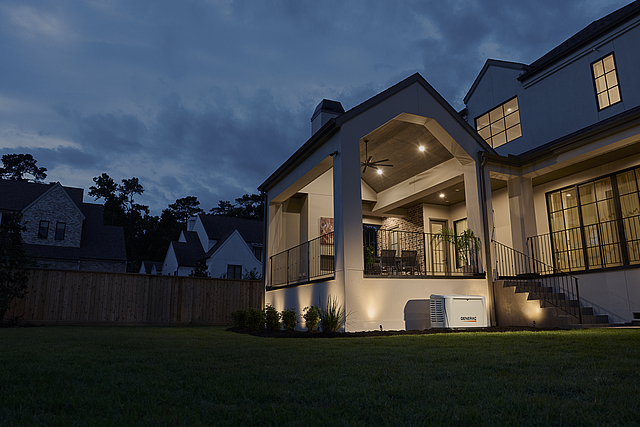
A standby generator keeps your home powered when the grid goes down. Unfortunately, the same storms that cause outages often bring heavy rain and flooding. This makes generator placement an important part of any installation plan.
Many homeowners ask the same question: why elevate your generator? The short answer is to protect your equipment, meet generator elevation code requirements, and ensure your system works when you need it most. If you live in a flood-prone part of the Tri-State Area, learn more about the importance of and strategies behind elevating standby generators.
Flood Risks to Generators
Floodwater can quickly disable a generator. Even a small amount of water entering a ground-level system can damage internal components and prevent the unit from operating.
Common risks include:
- Short circuiting and control panel damage
- Engine damage
- Fuel and lubricant contamination
- Corrosion
- Insulation breakdown
- Displacement caused by buoyancy forces
- Impact damage from floating debris
- Mud and sediment buildup
- Mold growth after the water recedes
Elevating and bolting a standby generator in place protects the system from these risks and improves the likelihood it will operate as intended during severe weather.
Deciding Whether to Elevate Your Generator
Generator elevation requirements are tied to local building codes and flood zone regulations. Consider these factors to help you determine whether your generator should be elevated and how much elevation is required:
- Flood zone status: Many parts of the Tri-State Area fall within FEMA-designated flood zones. Homes in Special Flood Hazard Areas are required to install mechanical equipment above the Base Flood Elevation.
- Elevation height: To comply with local codes and FEMA guidelines, installers may recommend elevating your generator 1 to 2 feet above expected flood levels for an added margin of safety.
- Anchoring requirements: Elevated generators must be securely anchored to prevent shifting.
- Utility adjustments: Raising a generator may require modifications to natural gas lines, electrical conduits, and transfer switch connections.
- Design considerations: Installers must maintain proper clearance, ventilation, drainage, and service access.
Generator Platform Solutions
You have several options for elevating your standby generator:
- Raised concrete pads: Reinforced concrete platforms installed above grade provide a durable base for flood zone generator installations.
- Steel support frames: Engineered metal platforms raise the generator several feet above ground.
- Composite pedestals: Pre-manufactured platforms provide corrosion resistance and integrated conduit channels that allow for convenient routing of electrical and gas lines.
- Natural grade elevation: Some installations can take advantage of higher ground near the house, reducing the need for structural elevation.
Why Professional Installation Matters
Elevating a standby generator requires careful examination of local regulations, manufacturer specifications, and utility connections. Licensed electricians evaluate these important factors and ensure all permits and inspections are handled correctly. This careful attention to detail ensures your system is installed safely and functions properly during an outage. Seidel Electric is your source for flood zone generator installation in Blairstown, New Jersey. We’ve served homeowners throughout the Tri-State Area since 1944. As an authorized reseller of Generac generators, we ensure every generator installation meets electrical codes and flood zone requirements. We Power Life, so get in touch today to schedule your free in-home estimate.